
When I look at digimon tcg, I think about the table and the binder at the same time. One side asks whether the cards help someone play. The other asks whether the artwork, rarity, condition, and shipping make the cards worth keeping.
In practice, that split gives this choice a clearer shape. The strongest choice is not automatically the flashiest card or the largest sealed box. It is the option that matches the buyer’s real plan.
Play Deck, Sealed Product, or Binder Collection
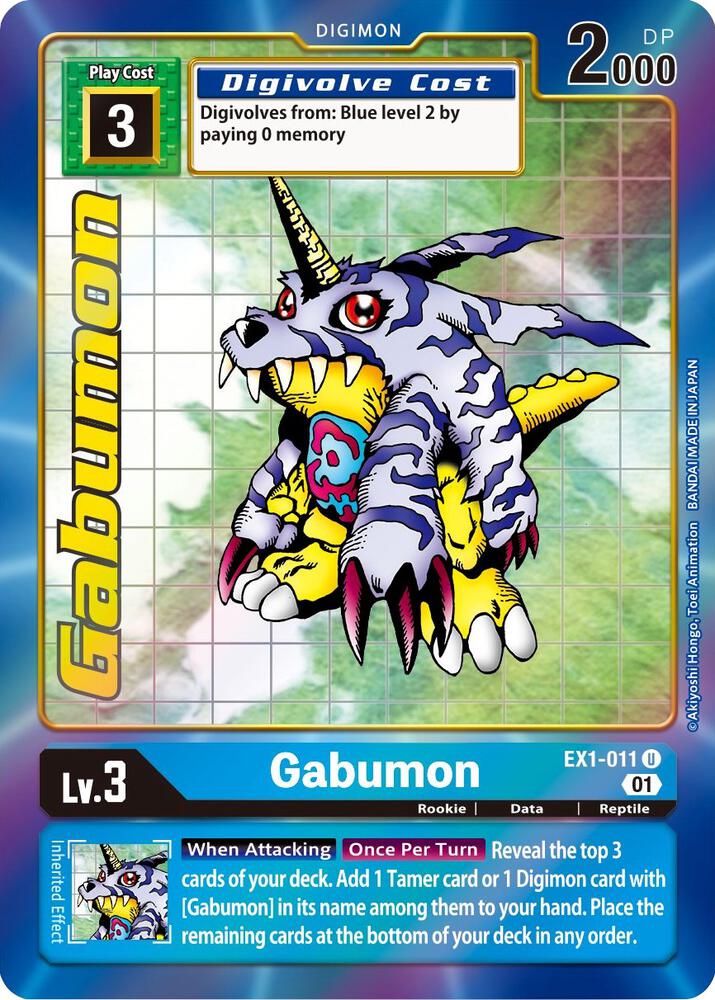
Digimon TCG is a card search with two very different moods. One buyer wants cards that can actually sit in a deck and survive local play. Meanwhile, another wants alternate art, sealed product, or a clean character page in a binder. I would decide that lane first because it changes every other choice. Digimon TCG feels different from a broad card search because evolution lines matter. Agumon into Greymon, Gabumon into Garurumon, partner Digimon, tamers, alternate arts, and deck colors can all change why one card feels worth keeping.
For example, for play, a starter deck or targeted singles make more sense than chasing random pulls. For collecting, the exact set, language, rarity, artwork, and condition matter more than whether the card is currently useful in a match. Mixing those goals is how a simple purchase starts to feel confusing.
Starter Decks, Booster Boxes, and Singles
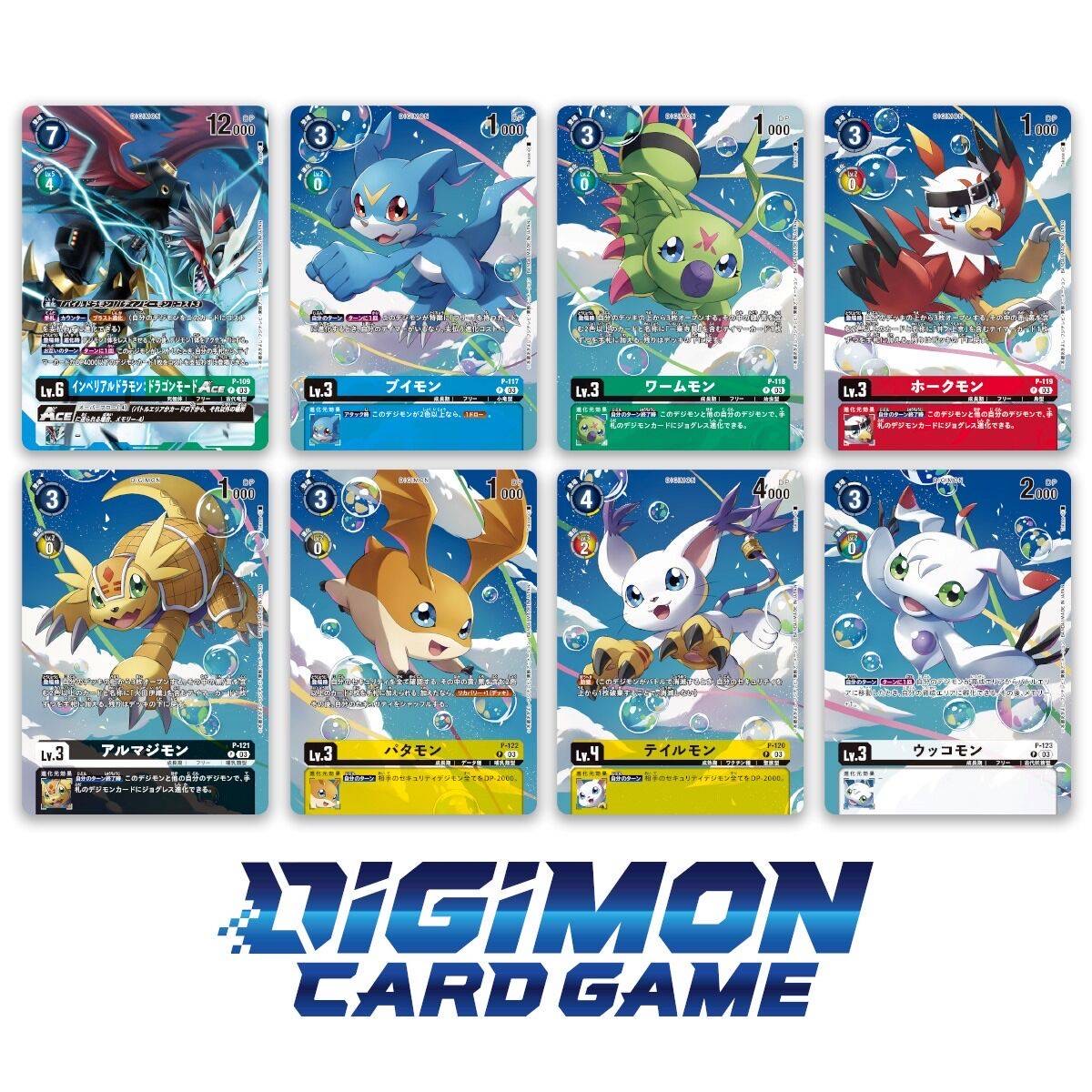
Starter decks are the calmest entry point for someone learning the game because the buyer gets something playable immediately. Booster packs and boxes are more exciting, but they are less predictable. Singles are the cleanest path when the buyer already knows the leader, color, deck piece, or artwork they want. I would separate Digimon TCG play value from binder appeal early. A card can be useful because it supports a deck strategy, or memorable because the artwork captures a favorite Digivolution line, and those are not the same buying reason.
Still, I would not describe every digimon tcg product as if it solves the same problem. A sealed box is about opening and possibility. A single is about precision. In practice, a starter deck is about sitting down and playing. The best listing makes that role obvious before price becomes the main focus. The strongest detail around digimon tcg is the one that removes guesswork. Clear photos, condition notes, sizing, version details, and seller proof make the choice easier to trust.
If digimon tcg remains clear after checking the details twice, the choice is usually stronger. It is usually the one that fits the fan, the room, the outfit, the story, or the collection with the least explanation. Good digimon tcg advice slows down around the card’s future use. Opening packs, building a deck, protecting a binder page, and giving a sealed gift all change the value of condition, rarity, and shipping protection.
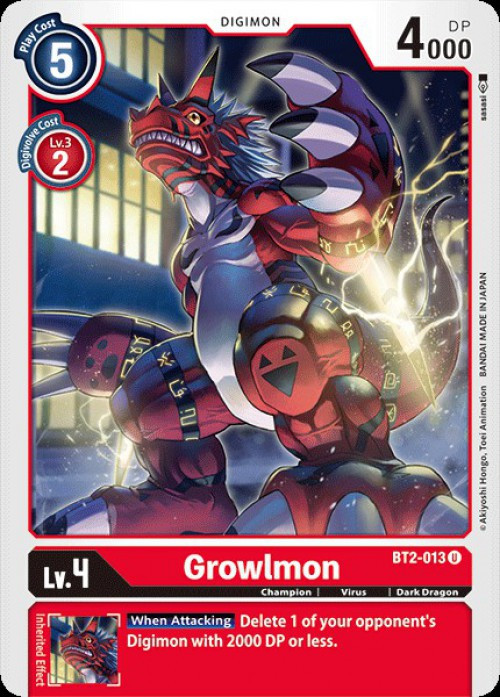
Also, for Digimon TCG, the safest comparison starts with the exact format: single card, sealed pack, booster box, starter deck, lot, graded copy, or binder piece. Each format carries a different mix of surprise, control, play value, and collector value. Shipping should match the card value. Sleeves, top loaders, cardboard support, team bags, rigid mailers, and tracked shipping can protect the condition that made the listing attractive in the first place.
Player Copies Versus Collector Copies
Related Reading
A player copy can be lightly worn and still be useful if the price is fair and the card is sleeve-ready. A collector copy has a different standard. Corners, centering, surface marks, foil scratching, whitening, and clean back photos start to matter because the card is being judged visually. For Digimon collectors, version detail matters because similar names can belong to different sets, rarities, art treatments, or language releases. The card should match the fan’s creature line or deck plan, not only the broad franchise name.
That said, that distinction makes the details feel more honest. A card meant for a deck does not need museum-level perfection. But a card meant for display should not hide behind vague condition words. The listing should tell the buyer which expectation is reasonable. A natural closing keeps the focus on the same subject instead of adding a new angle at the last moment. That makes the whole piece feel more coherent. When the choice feels unclear, digimon tcg should come back to visible proof: names, photos, condition, story role, styling, use case, or the reason the item matters now.
Clear details make digimon tcg easier to judge before checkout. A stronger card paragraph can compare two realistic paths instead of repeating checks. One path favors excitement and surprise, while another favors exact singles, cleaner condition, and long-term collecting value. Condition photos matter more than strong wording. Clear front and back shots, corners, edges, surface, centering, foil shine, and packaging protection make digimon tcg much easier to judge before checkout.
Instead, card value becomes easier to judge when the exact version is named. Artwork, rarity, language, promo status, and front/back condition can change the whole purchase.
Condition Proof: Corners, Surface, and Centering
With Digimon TCG, front and back photos are not optional. Corners, edges, surface, centering, holo shine, and any dents or whitening need to be visible enough that the buyer is not guessing from a sleeve photo. I would slow down when a listing shows only one glossy front image. TCG cards can look clean at first and still have edge wear or back whitening. A better listing proves the card with clear angles and enough light to inspect the real copy. If one thing matters most about digimon tcg, it is the practical distinction that makes the next choice or interpretation clearer.
One more practical detail is timing. digimon tcg can feel different when someone is buying quickly, learning the topic for the first time, or comparing a more personal choice for a collection or gift. That kind of slower judgment makes the topic feel more real because personal taste stays connected to visible proof. The most trustworthy digimon tcg option answers small questions clearly. Exact photos, version names, card condition, packaging, and shipping protection work together instead of appearing as isolated filler.
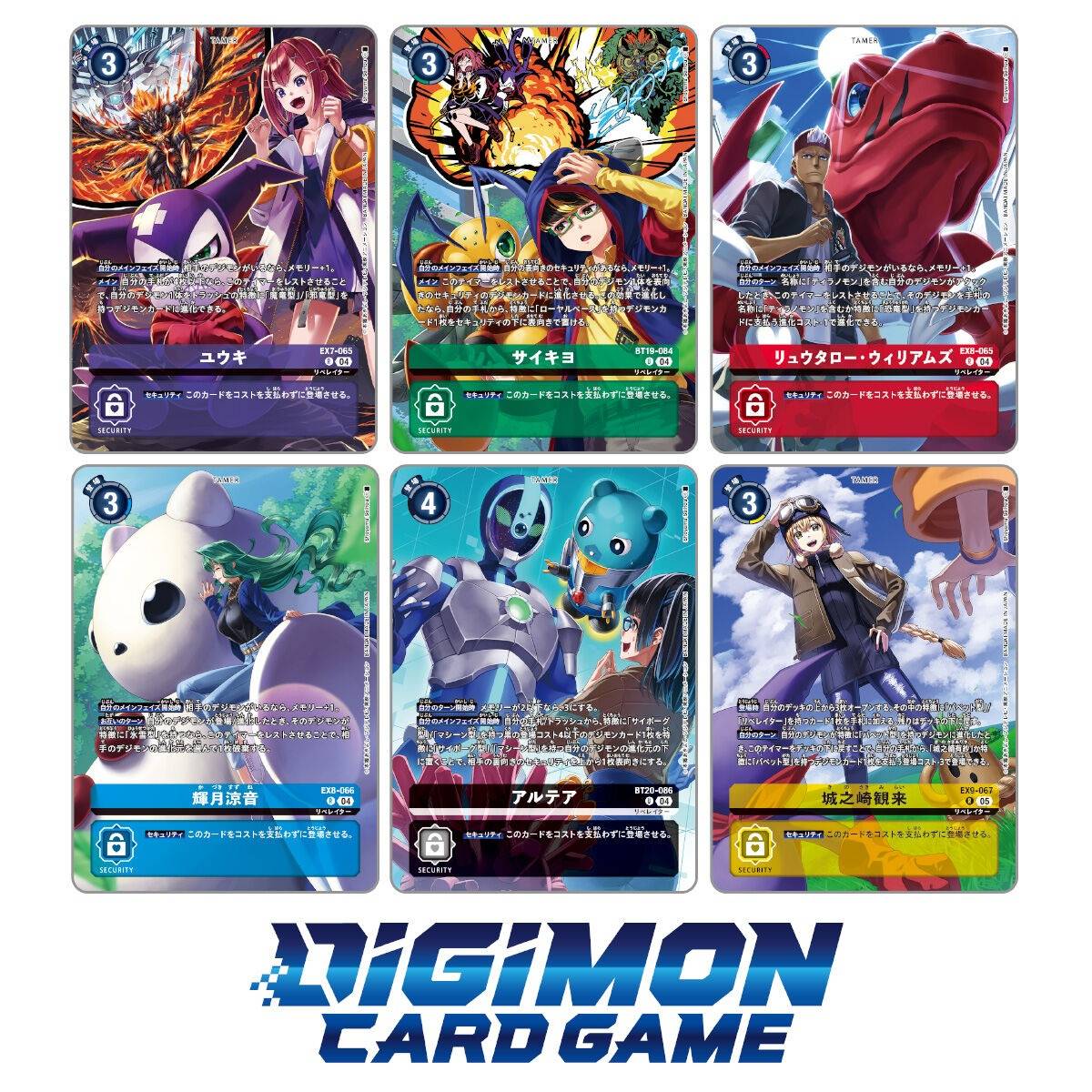
A player copy and a collector copy do not need the same standard. A playable card can have light wear if the price is fair. Meanwhile, a display or binder copy needs cleaner eye appeal and better protection. When two digimon tcg listings look similar, the safer one usually shows the exact card, both sides, clear corners, and believable shipping protection.
Seller Notes and Shipping Protection
In practice, shipping is part of card condition. Sleeves, top loaders, cardboard support, team bags, rigid mailers, and tracking are not fancy extras when the buyer cares about clean corners and a flat card. For digimon tcg, It also helps to notice whether the seller is describing the exact card or using sample images. That single detail changes trust quickly. Exact-card photos plus clear packing notes make the purchase feel much safer. A useful way to think about digimon tcg is to connect the main idea to a concrete situation: a gift, shelf, outfit, binder, game night, character moment, or collection gap.
I would also keep the visual side in mind. For digimon tcg, images, styling, condition, pose, or presentation can change trust faster than a broad claim ever could. The better angle for digimon tcg is not another checklist line. A sealed product, a single card, a starter deck, and a binder copy all create different expectations, so the real collecting or play goal comes first. Sealed Digimon TCG products are better for the opening experience, while singles are better for a precise target. That tradeoff keeps the purchase realistic instead of treating every card option as equally useful.
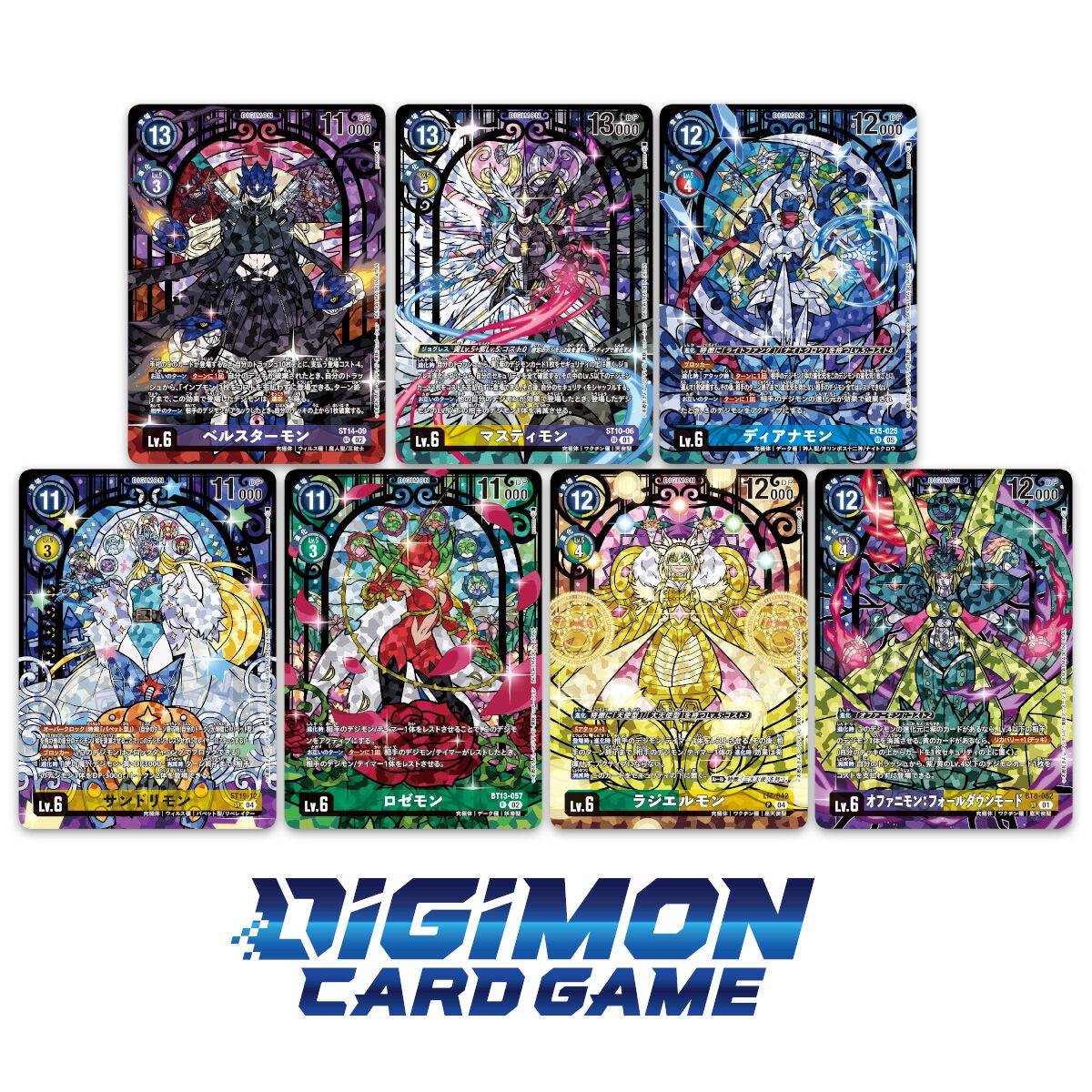
If the evidence feels thin, compare another Digimon TCG option with clearer front and back photos before treating the price as the deciding factor.
The Digimon TCG Choice That Makes Sense
The Digimon TCG choice I would trust most is the one that names the goal clearly. Choose a starter deck for learning, singles for deck upgrades, sealed product for opening, and cleaner alternate art or favorite Digimon cards for a binder. My final filter is simple: the format, condition proof, and shipping method should all agree. When those three parts line up, the card purchase feels intentional instead of random.
Still, for Digimon TCG, I would compare the exact format before price. A sealed pack, starter deck, single card, graded copy, and binder card all create different expectations, so the better choice starts with the goal.
Condition proof gives digimon tcg most of its trust. Front and back photos, corners, edges, centering, surface marks, holo scratches, language, and set number matter more than a loud listing title.
Also, a gift copy of Digimon TCG can be simpler than a collector copy. The gift needs recognizable artwork and safe delivery, while the collector copy needs sharper version details and cleaner condition evidence.
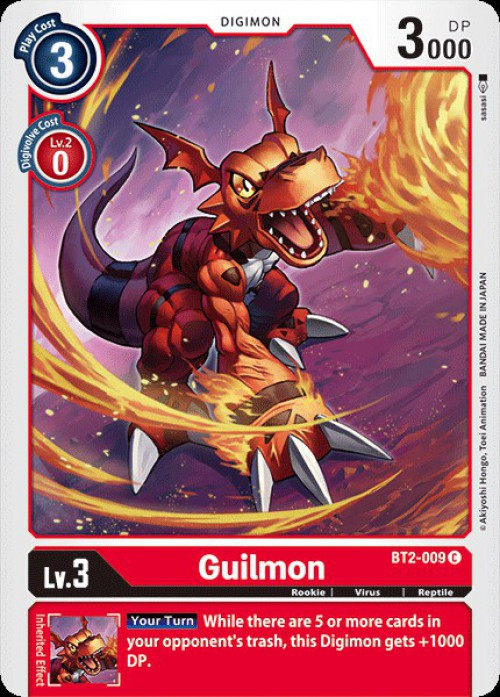
Shipping protection is part of the value for digimon tcg. A sleeve, top loader, team bag, cardboard support, or rigid mailer can protect the card from the damage that ruins an otherwise good choice.
That said, when two Digimon TCG options look close, I would choose the one that shows the exact item and explains condition plainly. A calmer listing with better proof usually beats a flashier listing with gaps.
Version names also matter for digimon tcg. Similar artwork can belong to a different set, rarity, language, or promo release, and that small difference can change the whole collector reason.
FAQ
Should I buy Digimon TCG singles, packs, or a starter deck?
Buy a starter deck for learning, singles for a specific deck or binder target, and packs or booster boxes when the opening experience is part of the fun.
What condition details matter most for Digimon TCG cards?
Check front and back photos, corners, edges, surface marks, centering, holo scratches, and whether the listing shows the exact card.
How should Digimon TCG cards be shipped?
Sleeves, top loaders, cardboard support, rigid mailers, and tracking for higher-value cards help protect the condition shown in the listing.
Want to discover more quality products? Visit our online store.