
If you are searching for digimon tcg before placing an order, you are probably not just asking whether the cards look cool. You are asking the more useful question: what should I buy first, what is safe to gift, and what will not feel like a mistake two weeks later? That is the right instinct, because trading card purchases can go from fun to confusing very quickly once you see starter decks, booster packs, sealed boxes, sleeves, binders, singles, playmats, and fan-made accessories all sitting in the same search results.
The safest way to choose digimon tcg is to slow down for a minute and check the details that are easy to overlook in product photos.
The good news is that Digimon is a surprisingly easy card hobby to enjoy once you separate the buying reasons. A player wants a deck that actually functions. A collector wants condition, artwork, and display value. A gift buyer wants something exciting but not overly technical. A fan may want official-style items for authenticity, while another fan may be perfectly happy with well-made digimon tcg fan merch that fits a desk, shelf, or game night setup. The trick is not buying the most dramatic-looking item first. The trick is buying the item that matches the person and the purpose.
Quick Verdict Before You Compare Options
If you are new, I would usually start with a current starter deck or a small sealed product from a reputable seller rather than jumping straight into random loose cards. A starter deck gives you a playable base, a clear theme, and less guesswork. It is not always the most collectible purchase, but it is one of the least stressful ways to learn what the game actually feels like.
For collectors, sealed booster boxes and carefully chosen singles often make more sense than buying a pile of random listings. Sealed items feel good on a shelf, but singles let you target specific Digimon, artwork styles, or rarity levels without gambling on packs. If your heart is set on a favorite partner Digimon or evolution line, singles can be the cleaner route.
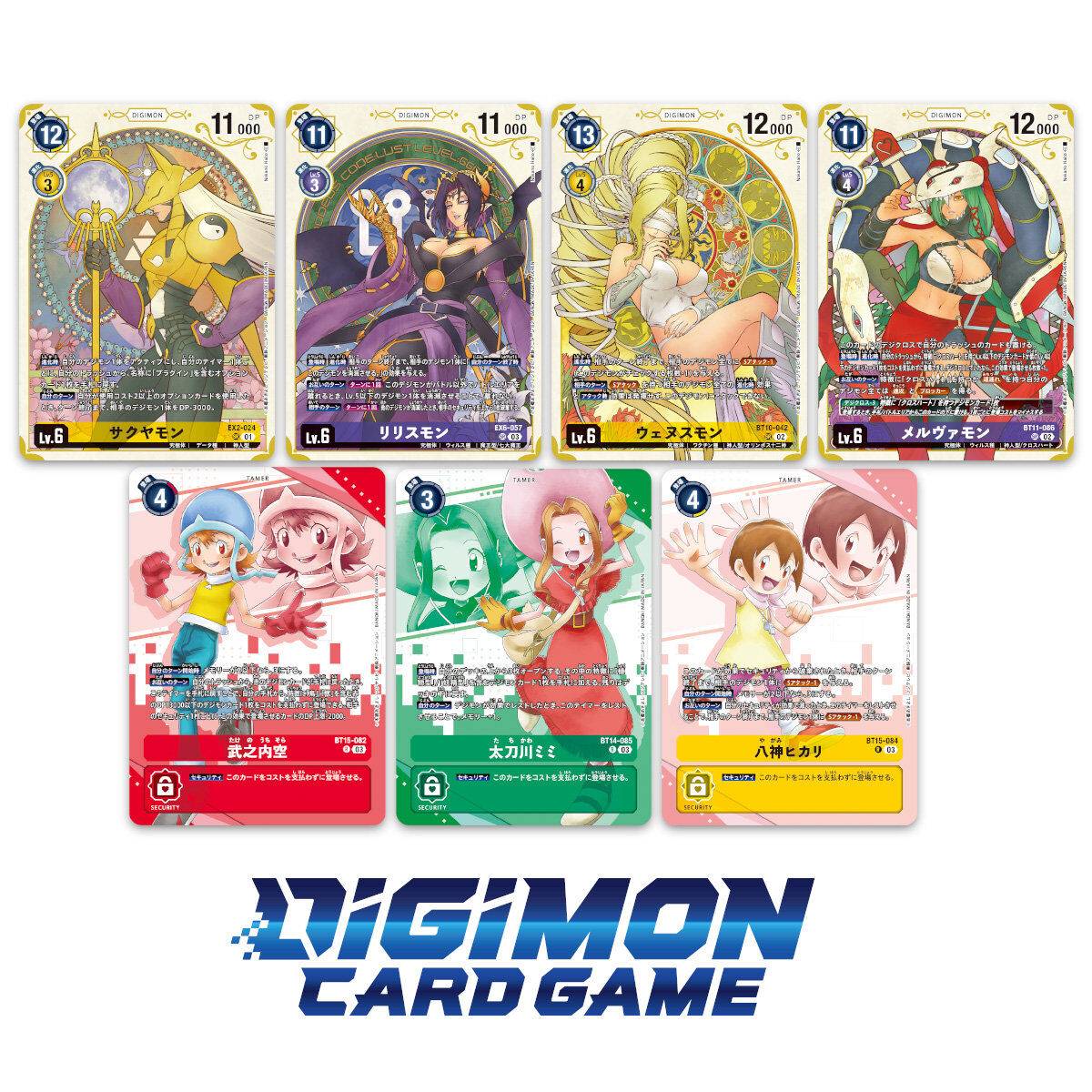
Gift buyers should avoid going too niche unless they know the recipient’s deck or favorite character. A starter deck, card sleeves, a binder, or a clean playmat is usually safer than buying specific competitive cards. The safest gift is not always the rarest thing; it is the thing the fan can use immediately or display without needing to explain why it matters.
Display Value and Everyday Appeal
The appeal of the Digimon card game is a mix of gameplay, nostalgia, and artwork. Some fans come in because they remember the anime, some arrive from the wider trading card world, and some simply like the way the cards present evolutions, partners, and big creature designs. That mix matters because it means the product can work for different types of buyers, not just tournament-focused players.
From a practical angle, the game has a clear visual identity. Digimon cards tend to show strong character art, readable color themes, and evolution-stage energy that feels distinct from other card games. Even if someone does not play every week, a binder page of favorite characters can still feel satisfying. That is important for collectors who want more than cardboard utility.
For players, the game’s appeal often comes from building around a line, color, or mechanic rather than only chasing one expensive card. Of course, competitive metas change, and nobody should assume a card will stay powerful forever. But if you are buying for casual play, kitchen-table games, or local shop nights, the value is often in having a deck you enjoy piloting, not in owning whatever people are discussing online this month.
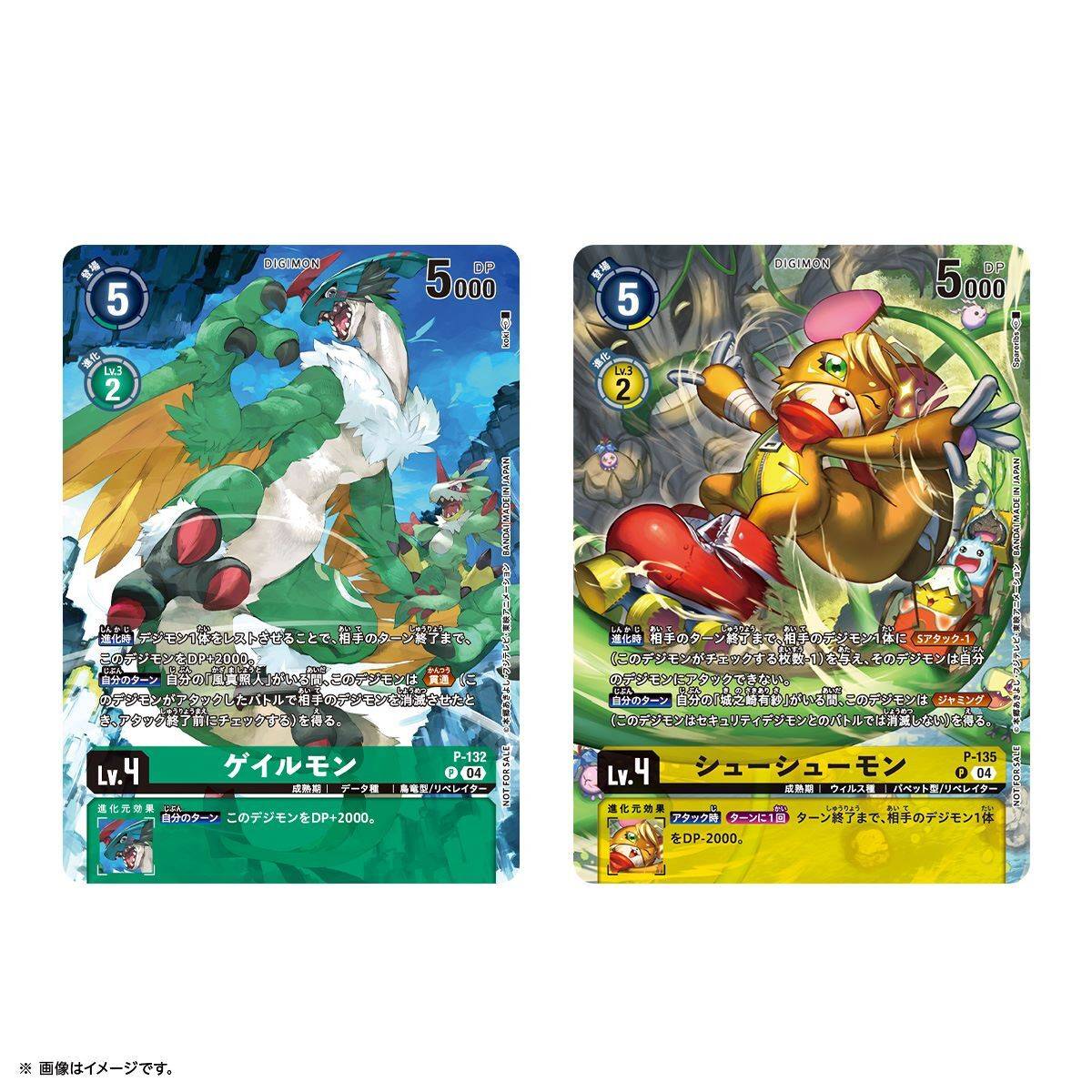
The main caution is expectation. Digimon TCG can be a fun hobby, but buying sealed packs should be treated as entertainment, not a guaranteed way to pull valuable cards. If you want a specific card, buy that card from a seller with clear photos and condition notes. If you want the experience of opening packs, then sealed product makes sense as long as you are comfortable with the randomness.
Gift Notes for Different Fan Types
Related Reading
Not every buyer needs the same product. This is where many people overspend: they see a dramatic booster box, assume it is the “real” option, and skip the smaller items that would actually fit their needs better. A good digimon tcg buying guide should start with the person, not the product.
For new players: starter decks and basic accessories
A starter deck is the cleanest first step for someone who wants to play. It gives structure, keeps the first purchase manageable, and avoids the awkward situation where a new player owns good-looking cards but cannot build a legal or coherent deck. If you are buying for yourself, check whether the deck theme matches a Digimon or playstyle you actually like. If you are buying for someone else, choose a starter product that looks approachable rather than overly specialized.
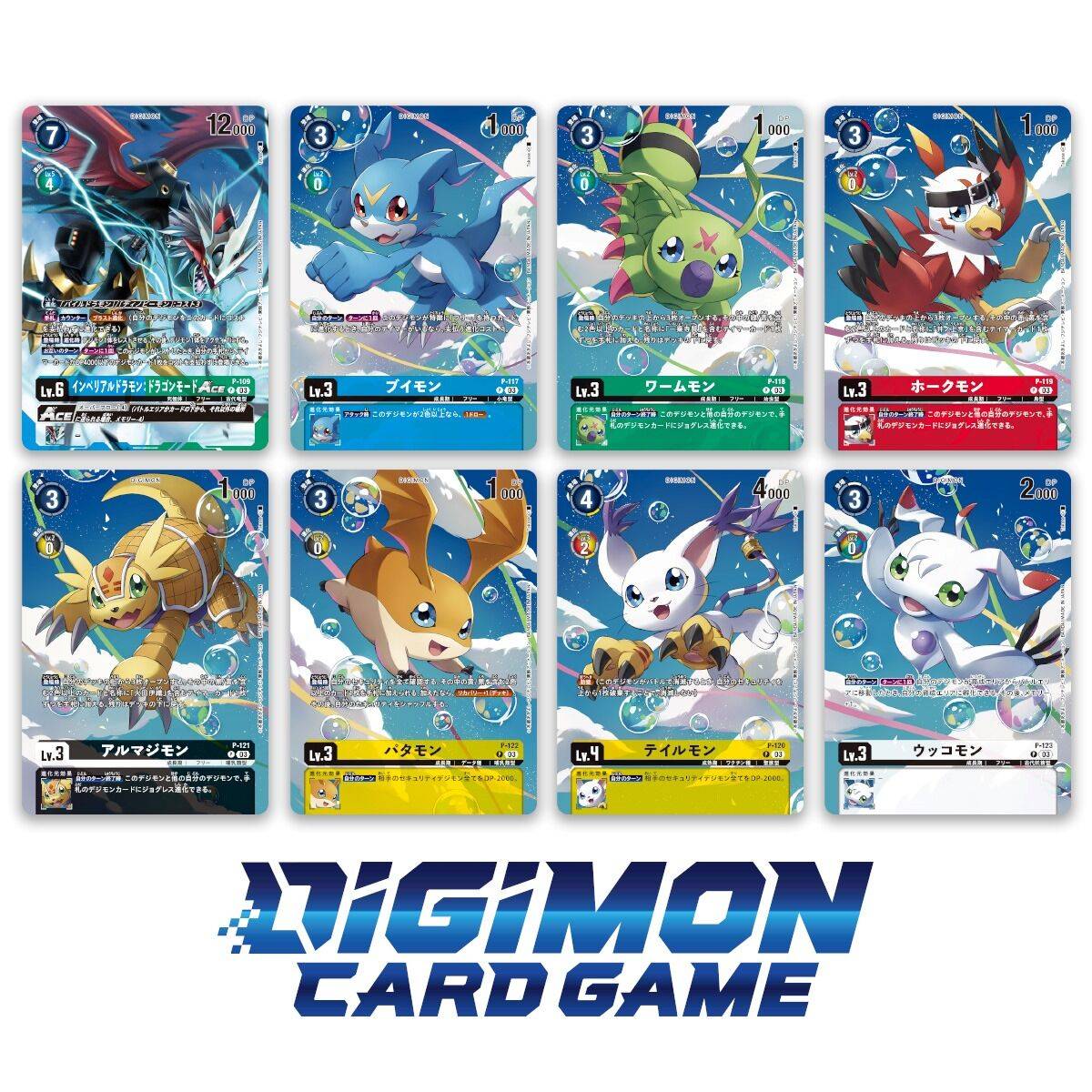
Basic accessories also matter more than beginners expect. Sleeves protect cards from shuffle wear, a deck box keeps everything together, and a simple playmat makes table play feel more intentional. These are not glamorous purchases, but they make the first few games smoother.
For collectors: singles, binders, and sealed display pieces
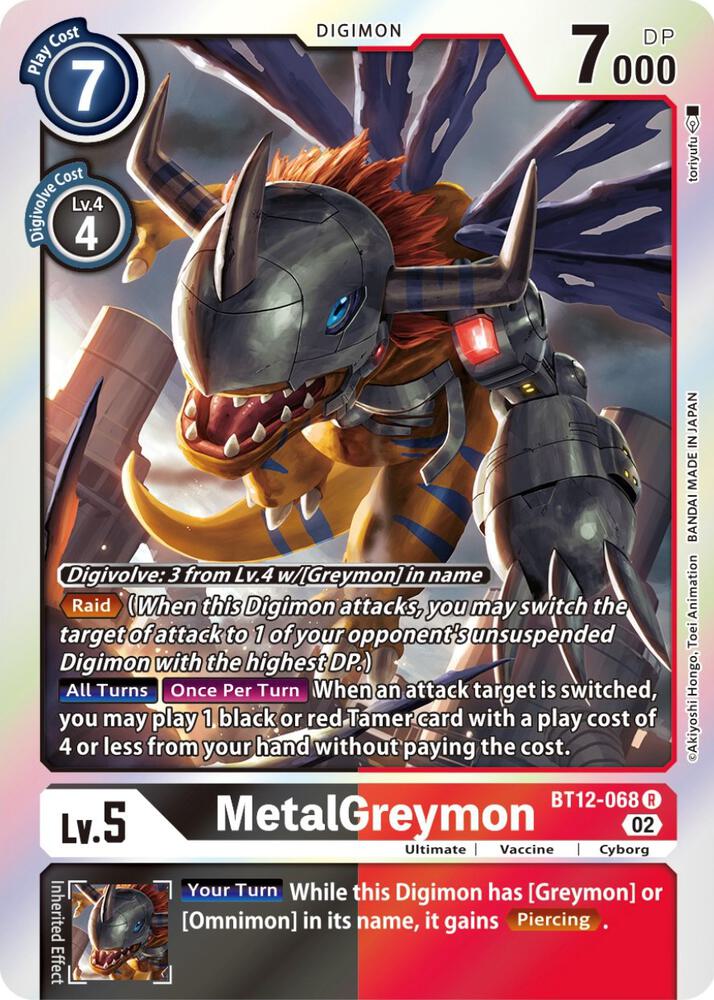
Collectors should think in terms of condition and presentation. A beautiful card in poor condition may be disappointing unless the price reflects it and the buyer understands the trade-off. For online purchases, look for clear photos of the front, back, corners, and edges when buying higher-value singles. Vague listings can be fine for low-stakes buys, but they are not ideal when condition matters.
Binders are underrated. A good binder turns a scattered stack of cards into a collection with rhythm: favorite Digimon on one page, evolution lines on another, alternate art cards grouped together, or a color-themed spread. That sounds small, but it matters on a shelf. A collector who enjoys browsing their own cards will usually get more long-term satisfaction than someone who leaves everything in loose piles.
For casual fans: art-first cards and display-friendly items
Some fans are not trying to build a deck or track every set. They just want something that feels connected to Digimon. For them, art-first singles, framed card displays, mini binders, or simple desk-friendly setups may be better than a large sealed box. If the recipient has a favorite character, this is the easiest lane to buy in.
This is also where digimon tcg gift ideas become more flexible. A few carefully selected cards, a small binder, and a pack of sleeves can feel personal without being technically complicated. It shows you noticed the fan side of the hobby, not just the shopping category.
For competitive-minded players: research before spending
If someone plays locally or cares about stronger deck building, do not guess. Competitive needs change, and card usefulness depends on format, deck shell, and local play environment. Instead of buying random “strong” cards, ask what deck they are building or consider a gift card to a trusted game store. That may feel less romantic, but for a serious player it can be much more useful.
If you are buying for yourself, check recent deck discussions, local store communities, and current product descriptions before committing. Avoid assuming that older advice still applies. Trading card games move, and yesterday’s must-have card can become less essential depending on releases and rules updates.
What Official Style Really Means
The phrase digimon tcg official style can mean a few things in buyer searches. Sometimes people mean officially licensed products. Sometimes they mean accessories that visually fit the card game’s tone: clean colors, digital motifs, evolution lines, or artwork-inspired design. The difference matters because official licensing affects authenticity, while “official style” only describes the look.
If authenticity is important, prioritize official product listings, known retailers, and packaging details. For sealed cards, look for normal retail channels, clear product photos, and seller histories that make sense. Be cautious with listings that use blurry images, strange wording, or prices that seem disconnected from the rest of the market. A bargain is nice; an unclear bargain is not always worth the stress.
Fan merch can still be excellent, especially for playmats, stickers, deck box decals, display prints, or desk accessories. Many fans enjoy custom items because they let a setup feel personal. The key is knowing what you are buying. Fan-made accessories should not be presented as official if they are not, and buyers should check material, size, print quality, and shipping terms before ordering.
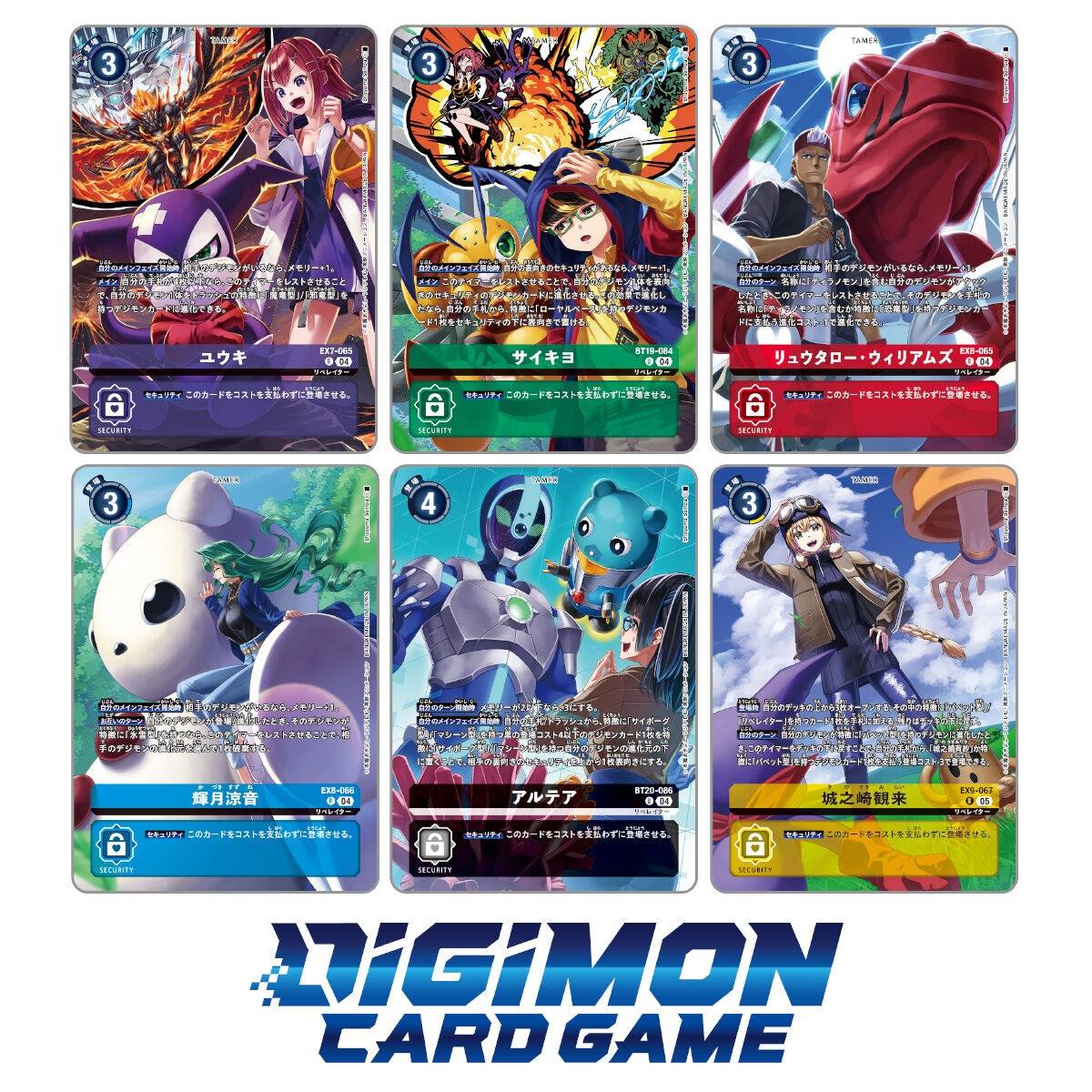
For gifts, I would usually choose official sealed cards if the recipient is a collector or player, then add fan merch as a personality piece. For example, a starter deck plus a custom playmat can feel more thoughtful than a random booster order. The official item covers the hobby need; the fan-made item adds emotion and style.
A Practical Checklist Before Ordering
Before checkout, slow down and check the basics. It sounds obvious, but most bad card purchases come from rushing: wrong language, unclear condition, unexpected shipping, or buying a product that does not fit the recipient. A simple checklist can save a lot of frustration.
First, confirm the product type. Is it a starter deck, booster pack, booster box, single card, promo card, accessory, or fan-made item? These are not interchangeable. A booster pack is fun but random. A starter deck is playable. A single card is targeted. A binder or sleeve set is supportive rather than exciting on its own.
Second, read the listing language carefully. For cards, check whether the item is sealed or opened, whether singles are near mint or played, and whether photos show the actual card or a stock image. Stock images are common in many online stores, but for condition-sensitive singles, actual photos are more reassuring.
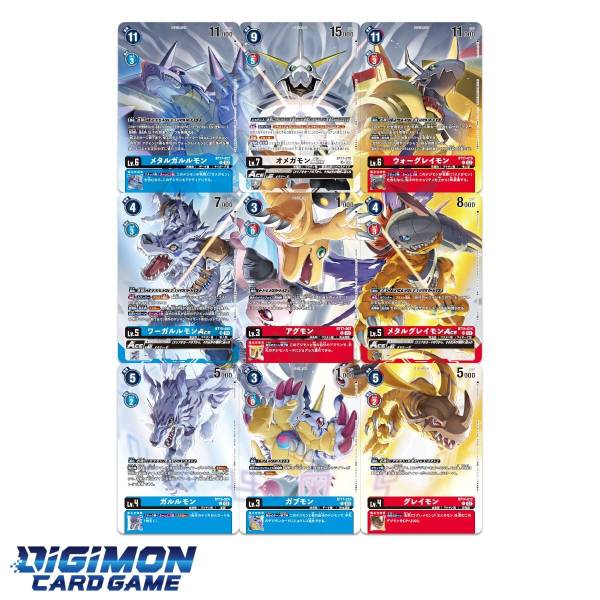
Third, think about shipping protection. Cards can bend, corners can ding, and sealed boxes can arrive with shelf wear. For expensive singles, sellers often mention top loaders, sleeves, rigid mailers, or tracked shipping. You do not need premium shipping for every low-cost card, but if condition matters, packaging matters too.
Finally, watch for import details if you are in the US, Canada, the UK, or the EU ordering from abroad. Delivery time, customs handling, VAT, and returns can differ by region. A slightly cheaper listing can become less attractive if it arrives late, cannot be returned easily, or carries surprise fees. Practical buying is not only about the sticker price.
Common Mistakes Buyers Make With Digimon TCG
The first mistake is buying sealed product when you actually want a specific card. Packs are fun because of the reveal, but they are not a targeted shopping method. If the goal is one character, one artwork, or one card for a deck, singles are usually the more direct path. Opening packs for a particular pull can become frustrating fast.
The second mistake is ignoring condition. For casual play, lightly worn cards may be fine if the price is fair and sleeves hide minor wear. For collecting, condition is part of the product. Corners, surface marks, edge wear, and centering can all affect how satisfied you feel when the card arrives. Do not assume “looks fine” from one blurry photo.
The third mistake is buying accessories without checking size and use case. Not every deck box feels good for sleeved cards, not every binder page feels sturdy, and not every playmat has the surface or stitching someone prefers. If the product is fan-made, look even more closely at dimensions and material descriptions.
The fourth mistake is treating every “rare” label as meaningful. Sellers may use attention-grabbing wording, but buyers should look for actual product details rather than marketing language. If you are unsure, compare listings, check community discussions, and avoid rushing because a page says only a few are left. Urgency language is not the same as value.
Display and Storage: Small Choices That Make a Collection Feel Better
A collection does not need to be huge to look good. In fact, smaller focused displays often feel better than crowded shelves. A binder page arranged by evolution line, color, or favorite character can create a strong visual story. If you are a Digimon fan first and a card investor never, that kind of arrangement may be the whole point.
For cards you handle often, sleeves are the starting point. For cards you want to preserve, consider double-sleeving if it fits your storage system and does not damage the card through tight handling. For display, avoid direct sunlight, damp rooms, and loose stacks near drinks or food. These are boring rules, but they protect the fun.
Sealed products look good on shelves, especially if the box art fits the room’s anime or gaming setup. Just remember that sealed collecting requires space and restraint. If you know you will be tempted to open everything, do not pretend a sealed box is a long-term display piece. Buy it because you enjoy the sealed look or the opening experience, not because you feel pressured by collector culture.
Playmats can also act as display pieces. A clean mat under a keyboard, on a card table, or rolled near a deck setup can make the hobby feel present without turning the room into a shop window. This is one area where official style and fan merch overlap nicely: the best choice is the one that looks good in the actual space where it will live.
Final Take: If You Only Buy One Thing
If you only buy one digimon tcg item for yourself as a beginner, choose a starter deck that you genuinely want to play. It gives you the clearest entry point, the least confusion, and the best chance of understanding what kind of cards you may want next. Add sleeves if you can, because protecting cards from the start is easier than fixing wear later.
If you only buy one thing for a collector, choose a focused single card or a quality binder rather than random bulk. A collector remembers a thoughtful character choice. They also appreciate storage that makes the collection easier to enjoy.
If you only buy one thing as a gift and you are not sure what the person owns, choose a practical accessory with broad use: sleeves, a deck box, binder pages, or a tasteful playmat. It may not sound as dramatic as a rare card, but it is far less likely to miss. The best purchase is the one that fits the fan’s real life: how they play, how they display, and how much they want to think before opening the package.
FAQ
Is Digimon TCG good for beginners?
Yes, especially if the beginner starts with a starter deck instead of random singles or loose packs. A starter deck gives a playable structure and makes the first games less confusing. After that, the player can decide whether they care more about casual play, collecting, or competitive deck building.
Should I buy booster packs or single cards?
Buy booster packs if you enjoy opening them and accept the randomness. Buy singles if you want a specific card, character, artwork, or deck piece. For most collectors with a clear target, singles are usually the more controlled purchase.
What is a safe Digimon TCG gift idea?
A starter deck, card sleeves, a deck box, binder, or playmat is usually safe. If you know the recipient’s favorite Digimon, a small set of related cards can feel more personal. Avoid buying competitive singles unless you know exactly what deck they are building.
How can I tell if a listing is risky?
Be careful with blurry photos, vague condition notes, strange product descriptions, and prices that seem too good compared with similar listings. For sealed items, buy from reputable retailers or sellers with strong histories. For singles, actual card photos are better than stock images when condition matters.
Is fan merch worth buying with Digimon TCG products?
It can be, especially for playmats, stickers, art prints, or display accessories. Just make sure you understand whether the item is officially licensed or fan-made. Good fan merch adds personality, but it should not be confused with official sealed card products.