
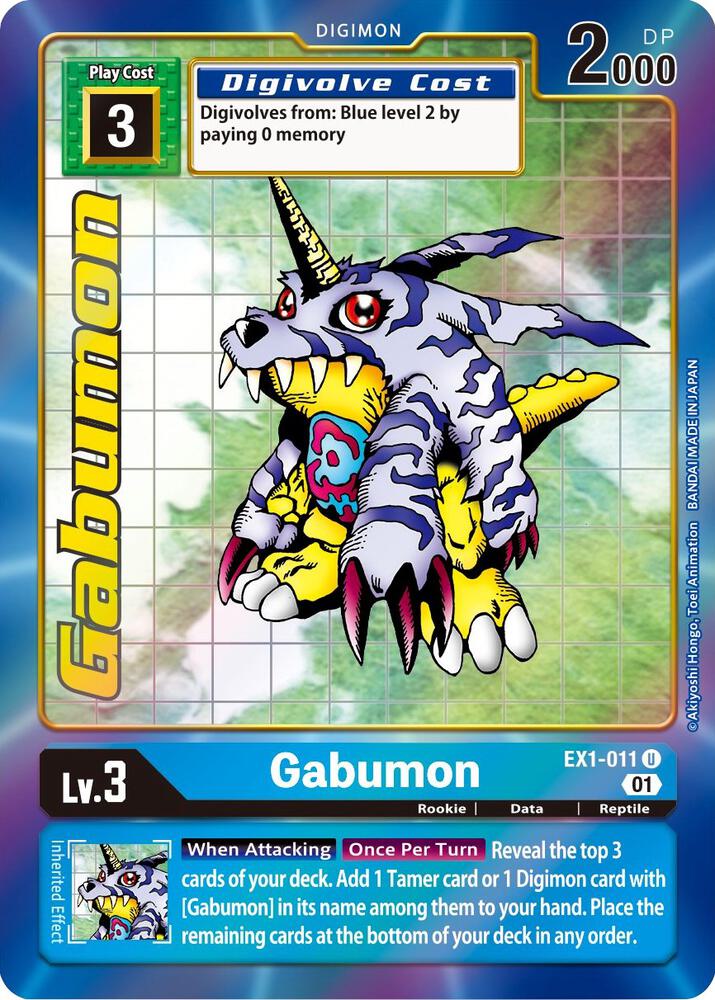
digimon tcg sits between game night and collector shelf. Some buyers want playable cards, some want alternate arts or sealed boxes, and some simply want a gift that feels tied to the series without guessing the recipient exact deck.
In practice, that mixed intent matters. Sealed product, singles, binder copies, player copies, and collector-condition cards need to be separated before any recommendation makes sense.
Treat Digimon TCG as Both a Game and a Collection
Digimon TCG sits between play value and collector value, so the choice does not need to lean only one way. Some collectors want deck pieces, some want sealed booster boxes, and some want alternate art or character cards for a binder. The strongest guide separates those goals early. A player asks whether the card improves a deck. A collector asks whether the artwork, rarity, version, and condition make the card worth keeping. Also, a gift buyer may simply want something sealed and exciting.
Booster Boxes, Sealed Packs, and Expected Value
For example, sealed digimon tcg products are most appealing when the buyer wants the opening experience or a giftable product. Booster boxes feel substantial, but they still carry uncertainty because pulls are not guaranteed. a stronger choice does not need to promise value from sealed product. It needs to explain that sealed boxes are fun, collectible, and sometimes worth keeping sealed. Meanwhile, singles are better when the buyer wants one specific card or deck upgrade.
The strongest detail around digimon tcg is the one that removes guesswork. Clear photos, condition notes, sizing, version details, and seller proof make the choice easier to trust. If digimon tcg remains clear after checking the details twice, the choice is usually stronger. It is usually the one that fits the fan, the room, the outfit, the story, or the collection with the least explanation. Good digimon tcg advice slows down around the card’s future use. Opening packs, building a deck, protecting a binder page, and giving a sealed gift all change the value of condition, rarity, and shipping protection.
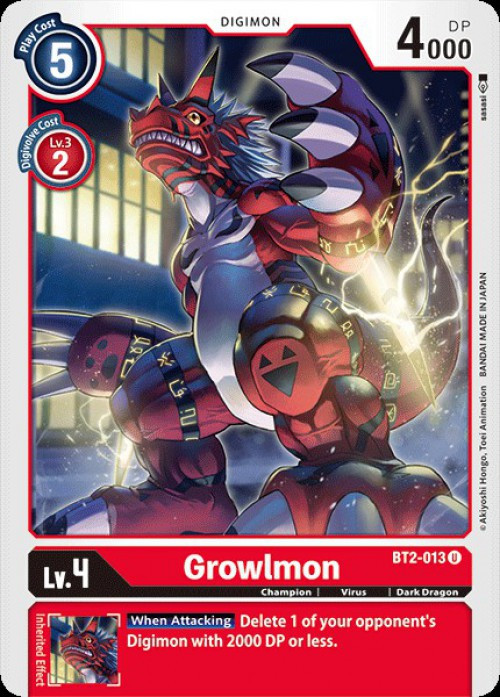
Still, for Digimon TCG, the safest comparison starts with the exact format: single card, sealed pack, booster box, starter deck, lot, graded copy, or binder piece. Each format carries a different mix of surprise, control, play value, and collector value. Shipping should match the card value. Sleeves, top loaders, cardboard support, team bags, rigid mailers, and tracked shipping can protect the condition that made the listing attractive in the first place.
Singles, Alternate Arts, and Binder Goals
Related Reading
Singles are where Digimon TCG becomes more precise. Alternate arts, leaders, character cards, staples, promos, and missing binder slots each appeal to a different buyer. the choice should help collectors name that goal before comparing prices. A binder collector may accept a clean raw copy. Meanwhile, a value-focused collector may care more about centering, surface, edges, and long-term protection. Those details deserve more attention than generic wording about rarity. A natural closing keeps the focus on the same subject instead of adding a new angle at the last moment. That makes the whole piece feel more coherent.
Also, when the choice feels unclear, digimon tcg should come back to visible proof: names, photos, condition, story role, styling, use case, or the reason the item matters now. Clear details make digimon tcg easier to judge before checkout. A stronger card paragraph can compare two realistic paths instead of repeating checks. One path favors excitement and surprise, while another favors exact singles, cleaner condition, and long-term collecting value. Condition photos matter more than strong wording. Clear front and back shots, corners, edges, surface, centering, foil shine, and packaging protection make digimon tcg much easier to judge before checkout.
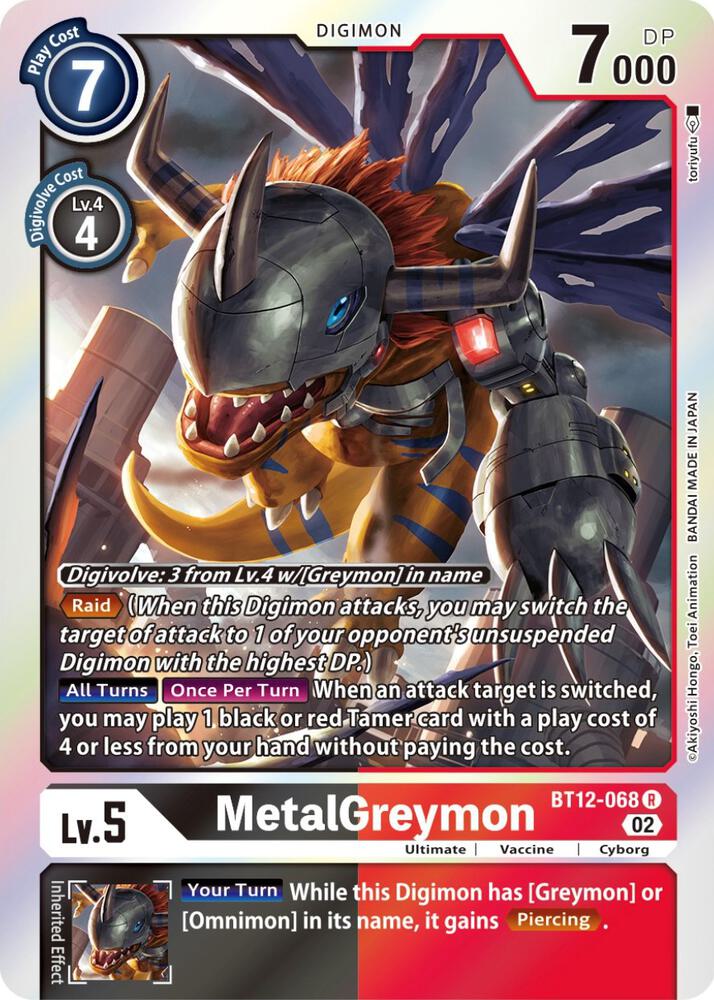
Card value becomes easier to judge when the exact version is named. Artwork, rarity, language, promo status, and front/back condition can change the whole purchase.
Card Condition Photos That Actually Matter
That said, front and back photos works best when it shows corners, edges, surface, centering, foil scratches, dents, and any whitening. A distant photo in a sleeve is not enough when the card is priced as a collector copy. For digimon tcg, condition language should match the evidence. Near mint, lightly played, sealed, graded, or raw all mean less when the listing does not show the actual item clearly. If one thing matters most about digimon tcg, it is the practical distinction that makes the next choice or interpretation clearer. Another practical detail is timing. digimon tcg can feel different when someone is buying quickly, learning the topic for the first time, or comparing a more personal choice for a collection or gift.
That kind of slower judgment makes the topic feel more real because personal taste stays connected to visible proof. The most trustworthy digimon tcg option answers small questions clearly. Exact photos, version names, card condition, packaging, and shipping protection work together instead of appearing as isolated filler. A player copy and a collector copy do not need the same standard. A playable card can have light wear if the price is fair. Meanwhile, a display or binder copy needs cleaner eye appeal and better protection.
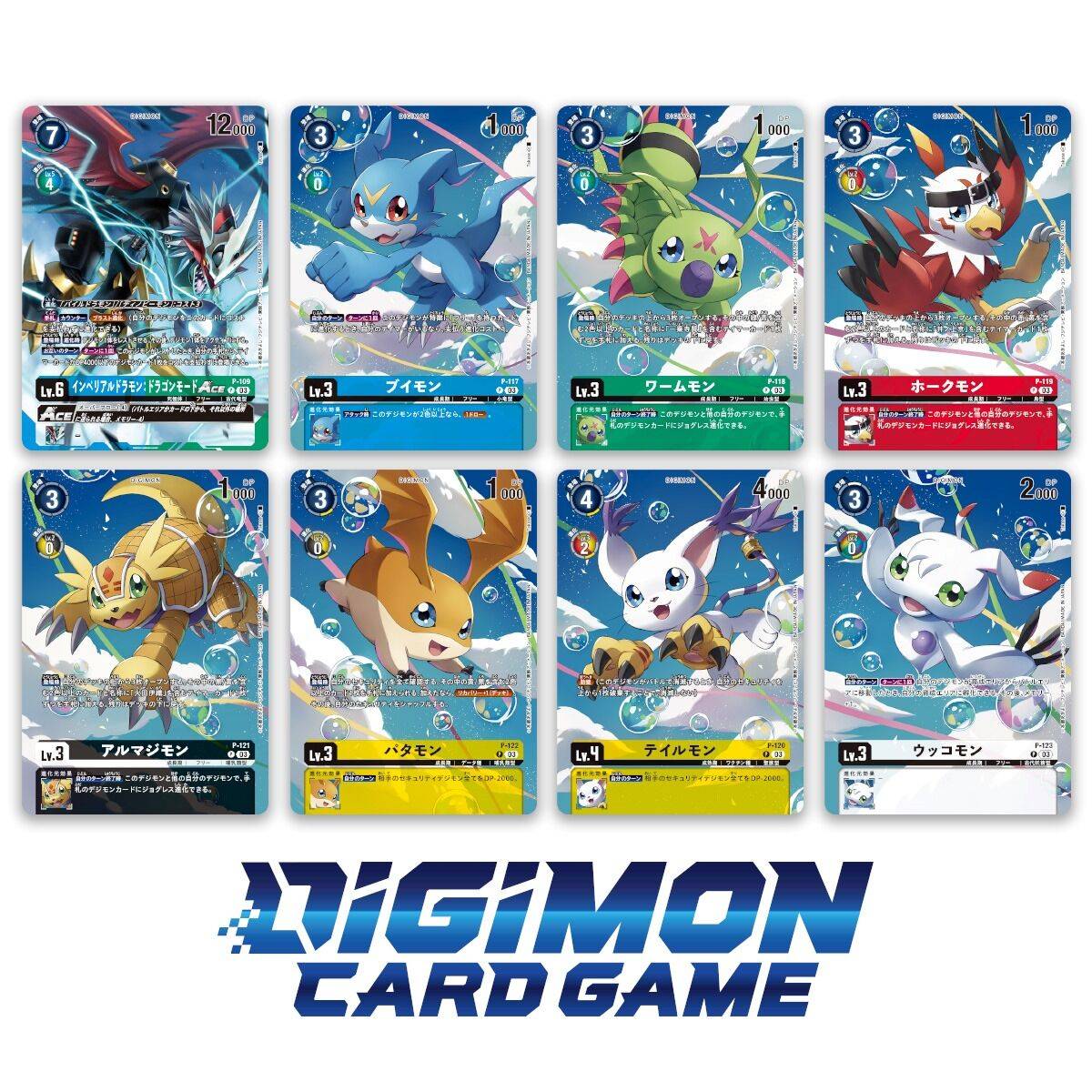
When two digimon tcg listings look similar, the safer one usually shows the exact card, both sides, clear corners, and believable shipping protection.
Player Copy Versus Collector Copy
A player copy of Digimon TCG can be useful even if it is not perfect. A collector copy needs stronger eye appeal, cleaner photos, and better protection. Separate those standards so collectors do not overpay for the wrong reason. This distinction also helps gift buyers. If the recipient plays, a useful card or sealed deck may be better. If the recipient collects, artwork, condition, and version details matter more. A useful way to think about digimon tcg is to connect the main idea to a concrete situation: a gift, shelf, outfit, binder, game night, character moment, or collection gap.
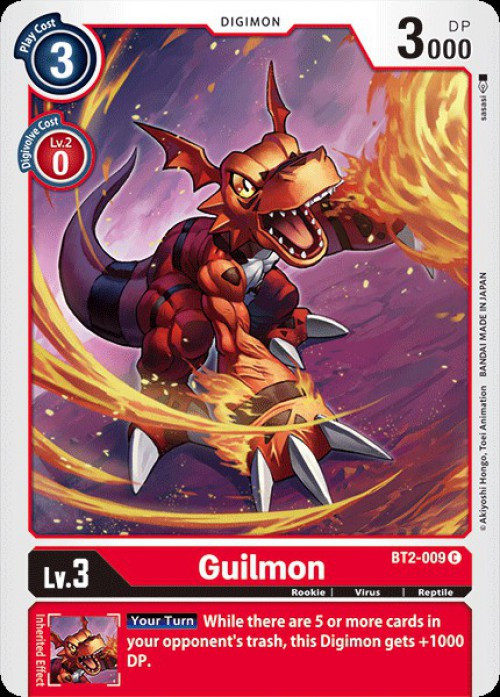
Before buying, I would also keep the visual side in mind. For digimon tcg, images, styling, condition, pose, or presentation can change trust faster than a broad claim ever could. The better angle for digimon tcg is not another checklist line. A sealed product, a single card, a starter deck, and a binder copy all create different expectations, so the real collecting or play goal comes first. Sealed Digimon TCG products are better for the opening experience, while singles are better for a precise target. That tradeoff keeps the purchase realistic instead of treating every card option as equally useful.
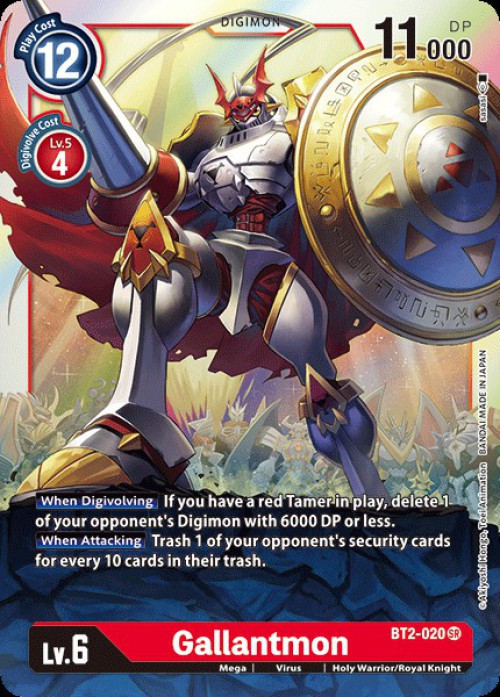
If the evidence feels thin, compare another Digimon TCG option with clearer front and back photos before treating the price as the deciding factor.
The Digimon TCG Pick That Makes the Most Sense
A stronger choice digimon tcg choice depends on the goal: sealed product for opening, singles for precision, deck pieces for play, and cleaner versions for binder or display value. Before checkout, compare condition proof, seller notes, shipping protection, and whether the product type matches the buyer’s real plan. That is the difference between an exciting click and a purchase that still feels right later.
More Specific Notes for Digimon TCG
For example, a more useful Digimon TCG comparison starts with partner identity. Agumon, Gabumon, Patamon, Gatomon, and other familiar partners do not create the same feeling on a shelf or in a collection, so The reader can think about which evolution line or partner bond matters most before comparing prices.
For digimon tcg, small visual clues make the item feel more specific: claws, horns, wing shape, armor edges, eye paint, card artwork, or the way an evolution form is posed. Those details separate a piece that only says Digimon from one that reminds the fan of a particular season, partner, or battle memory.
Still, I would also compare how easy the item is to display with related characters. A single Agumon figure can work as a desk piece. But a pair like Agumon and Gabumon or a small evolution group can feel more complete. Cards and TCG items work differently because set, rarity, language, and play use matter as much as character love.
The safest digimon tcg choice is the one that makes the exact version easy to understand. Clear naming, real photos, visible condition, and a product type that matches the fan’s goal matter more than a broad anime title. That keeps the purchase tied to Digimon instead of turning it into a generic collectible decision.
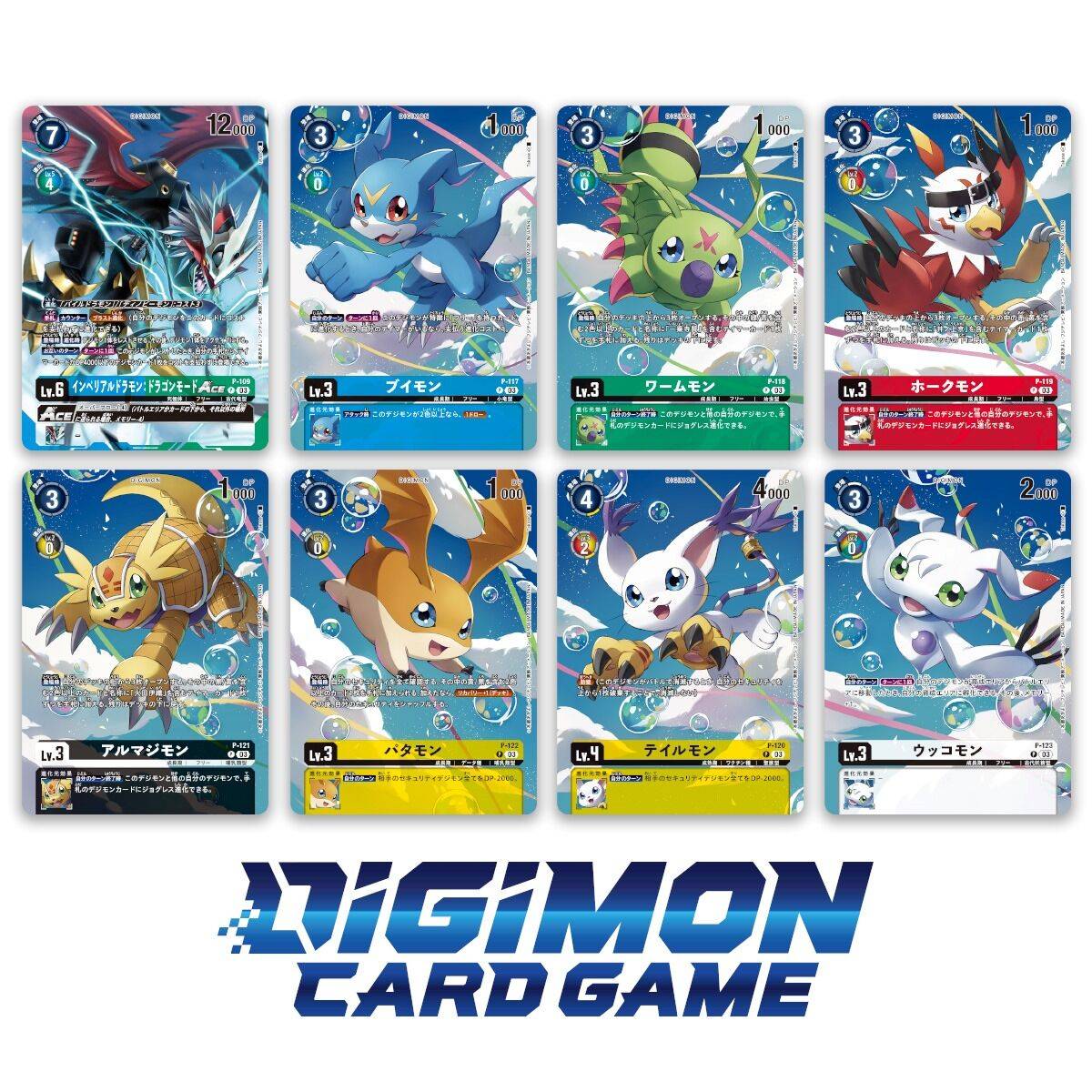
Also, for digimon tcg, the final decision should stay connected to the exact product type. A single card, sealed pack, figure, toy, game, plush, or display item can all be good choices. But each one needs different evidence before it feels trustworthy.
The most useful comparison for Digimon TCG is to look at what the buyer will do after it arrives. If it goes into a binder, condition and version matter most. If it goes on a shelf, scale, pose, and visual character matter more. For buyers who it is a gift, recognizable appeal and clean packaging become the safer standard.
That said, that practical separation keeps digimon tcg from sounding generic. Instead of chasing the loudest title, the buyer can compare real photos, included parts, condition notes, size, shipping protection. Also, check whether the item clearly matches the fan’s reason for wanting it.
Want to discover more quality products? Visit our online store.
FAQ
What matters most about digimon tcg?
The clearest takeaway is the context, the details that make digimon tcg distinct, and the next step that makes the topic easier to explore.
Why is digimon tcg worth a closer look?
It becomes more interesting when the main idea connects to examples, visible details, fan interest, or a practical decision.
How should a beginner approach this topic?
Start with the clearest version first, then compare more specific details once the basic context feels familiar.